An automatic parking barrier system controls the entry and exit of vehicles by means of a motorized arm and authorization and safety devices. In Argentina, it is used in garages, parking lots, gated communities, corporate buildings, industrial plants and logistics centers. Depending on the configuration, opening can be triggered by remote control, card, RFID/UHF tag, QR code, phone or license plate recognition using LPR/ANPR cameras.
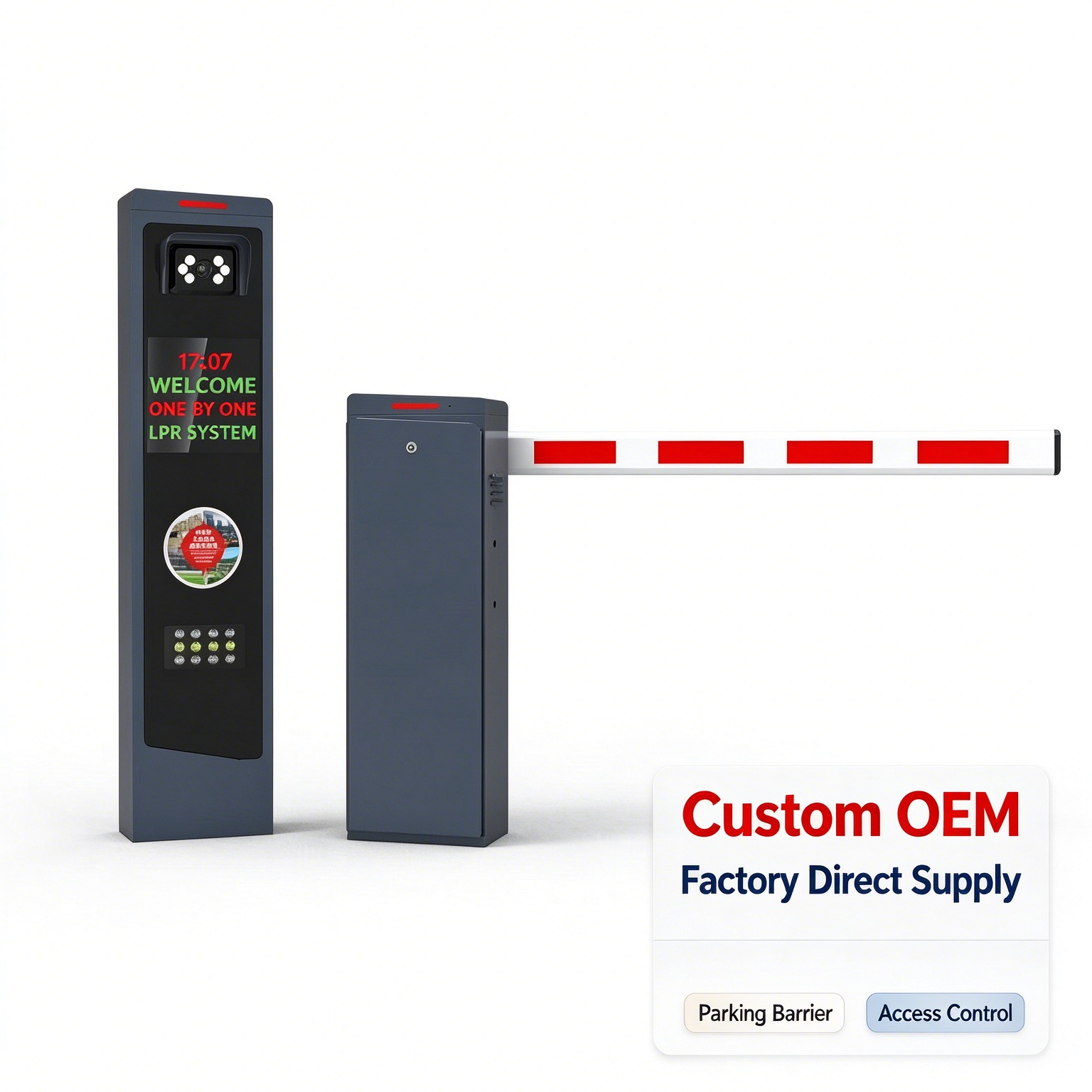
The assembly usually includes a boom barrier, a cabinet with motor and controller, an identification or command device, detection sensors, signage and, when the project requires it, parking or access control software. Not all sites need the same combination: a residential garage can work with remote controls or tags, while a commercial parking lot may need LPR cameras, movement records and automated payment.
1. The vehicle arrives at the access point. The driver approaches the lane and presents a credential, operates the remote control, scans a QR code or waits for the LPR/ANPR camera to capture the license plate. How the operation starts depends on the design of the access point.
2. The system validates the authorization. The reader, controller or software checks whether the credential or license plate corresponds to an enabled user. If the request is not authorized or cannot be verified, the barrier must remain closed and the procedure must allow staff intervention.
3. The controller orders the opening. Once the request is approved, the controller activates the motor and the arm rises. The opening time depends on the model, the length and type of arm, the settings and the real operating conditions.
4. The vehicle crosses the lane. Compatible sensors monitor the movement area and, depending on the installation, can detect the presence of the vehicle or prevent the arm from lowering when the area is not clear. The safety solution must be defined for each access point and must not depend on a single isolated function.
5. The arm closes again and the event is logged. When the area is clear and the control logic allows closing, the arm lowers and the system is ready for the next vehicle. If software is connected, the entry or exit can be recorded for administration, auditing or visitor management.
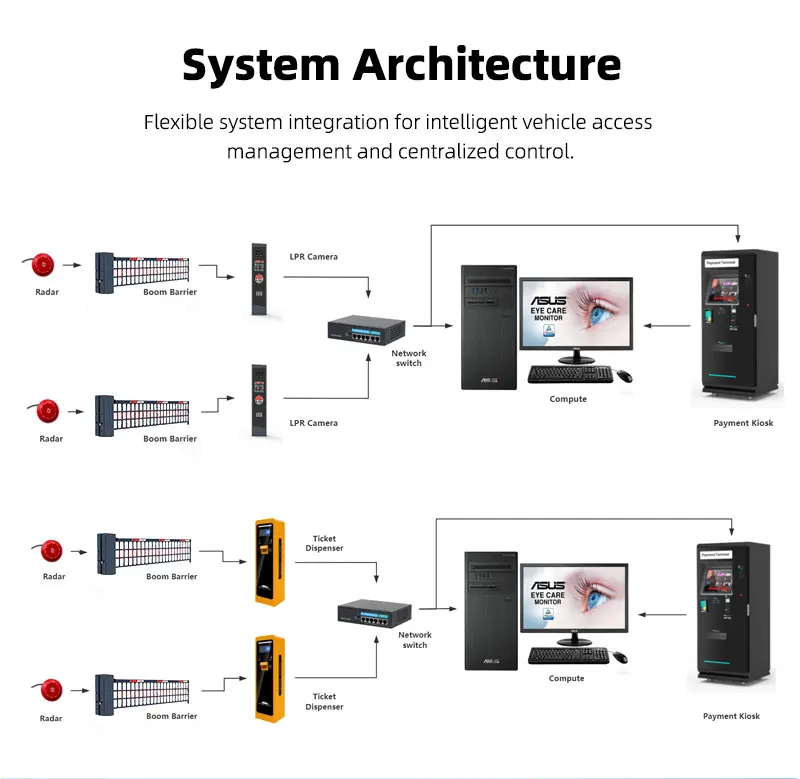
Access request → Validation → Arm opening → Vehicle passage with sensor monitoring → Safe closing → Event logging (if integrated).
With RFID/UHF, the reader detects a credential associated with an authorized vehicle. It is a practical alternative for residents, staff and registered fleets, especially when frequent entry needs to be speeded up. The reading distance and performance depend on the reader, the tag, the mounting location and the environment.
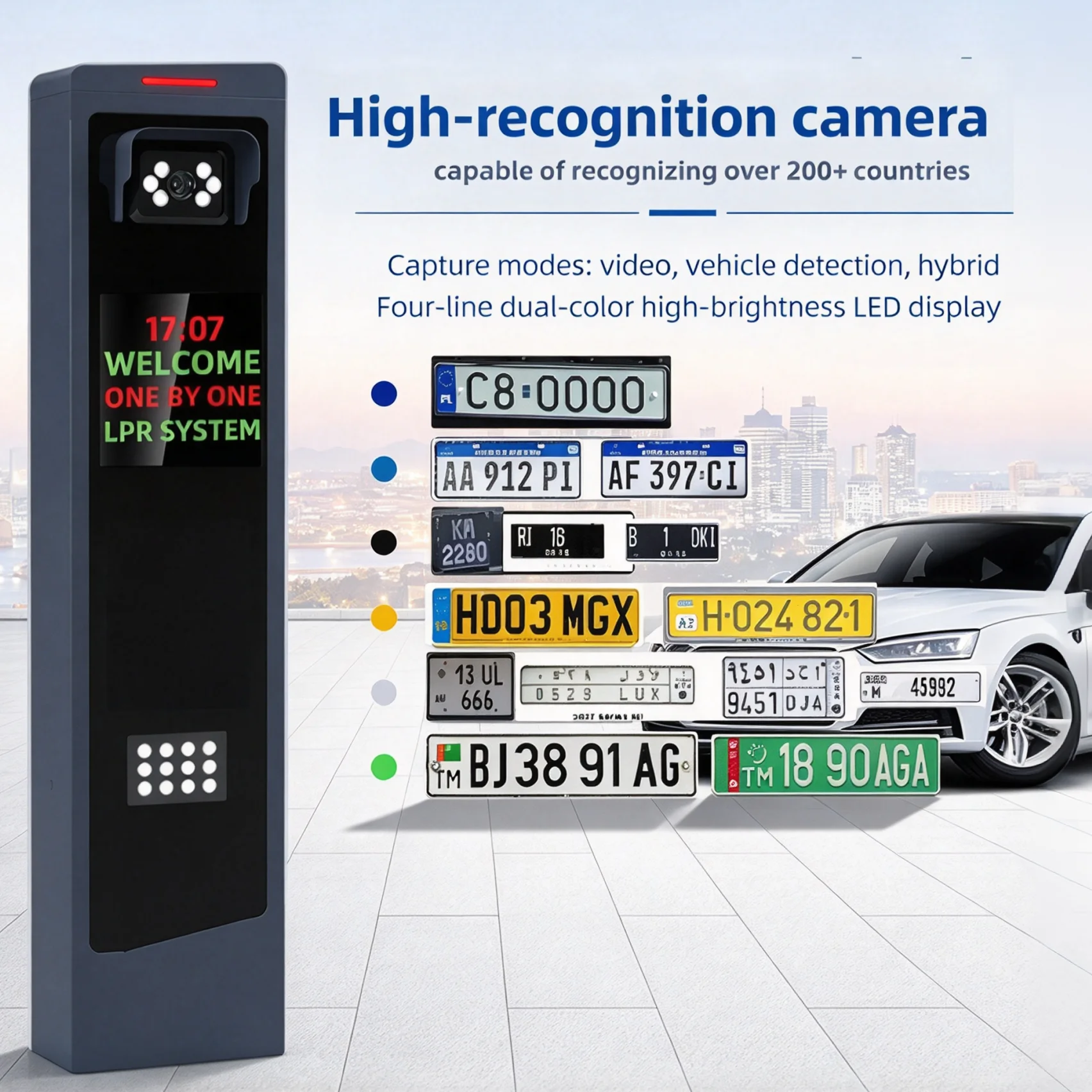
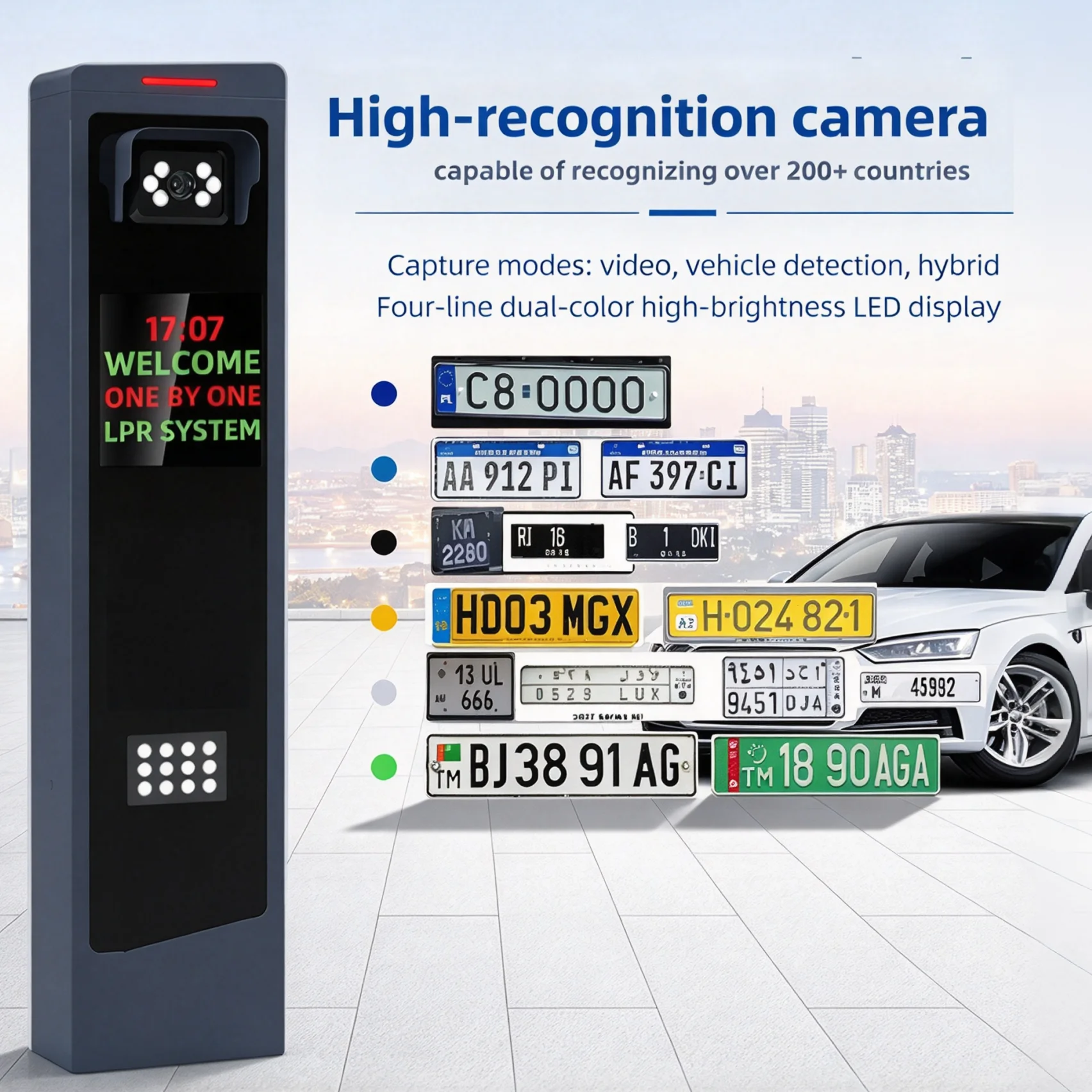
With LPR/ANPR, a camera captures the license plate and the software compares it with an access list or rule. This can reduce the need to hand out cards or tickets and allow entry and exit records. To achieve good results, lighting, camera angle, vehicle speed, plate legibility and integration with the barrier controller must be considered.
Straight arm. It is common in parking lots, buildings, companies and access points with sufficient clear height. The length must match the lane width and the site conditions.
Folding or articulated arm. It can adapt to covered garages, ramps or entrances with height restrictions. Before installing it, the space occupied by the arm during its entire movement must be checked.
Fence-type arm. It can be useful when a more marked visual separation of the lane is needed. Its suitability depends on the circulation design, visibility and the project's safety requirements.
Before requesting a quote, it is advisable to document the following data:
The BAROXON Argentina website presents boom barriers, high-speed models, RFID automatic barriers, radar sensors and ALPR/LPR license plate recognition solutions. The datasheets published for certain models describe 24 V DC brushless motors, straight, folding or fence-type arms, integration with credentials and cameras, and configurable opening performance. Exact figures —for example, arm length, opening time, duty cycles and environmental protection— must be verified in the datasheet of the chosen model, because they do not necessarily apply to the entire range.
The barrier must be mounted on a firm base and in accordance with the manufacturer's instructions. The installation must take into account the arm's movement area, driver visibility, pedestrian circulation, compatible sensors and signage. The equipment must be tested before entering service and checked periodically. It is also necessary to define what to do in the event of a power outage, a sensor failure or a loss of communication with the access system.
Can the barrier work without an operator at the entrance?
Yes. If it is integrated with readers, RFID, LPR/ANPR or digital credentials, it can automate validation and opening. The need for supervision depends on the site's risk, the flow and the operating procedures.
What happens if the license plate is not recognized?
The system must follow the configured contingency rule: keep the barrier closed and allow alternative validation by intercom, authorized personnel or a backup credential. A failed reading must not be assumed to be an authorization.
What information is needed to size the barrier?
At a minimum, lane width, clear height, vehicle volume, vehicle type, authorization method, environmental conditions and existing systems that must be integrated.
An automatic barrier system works by coordinating authorization, mechanical movement, vehicle detection and closing logic. The best solution is not necessarily the fastest or the cheapest, but the one that adapts to the width of the access point, the traffic volume, the environment and the required level of control. For a project in Argentina, BAROXON offers boom barrier, RFID, sensor and license plate recognition options; the final configuration must be confirmed with the datasheet and the real requirements of the installation.

 WhatsApp
 WeChat