Choosing a vehicle barrier manufacturer or supplier is not only about comparing the price of two pieces of equipment. The reliability of the mechanism, the duty cycle, lane safety, compatibility with the access system and the availability of spare parts all affect the total cost and operational continuity.
For a car park, a parking lot, a gated community or an industrial entrance in Argentina, each proposal should be compared against the same technical and operational requirements. That way, the decision is based on the real use of the site and not only on a commercial feature list.
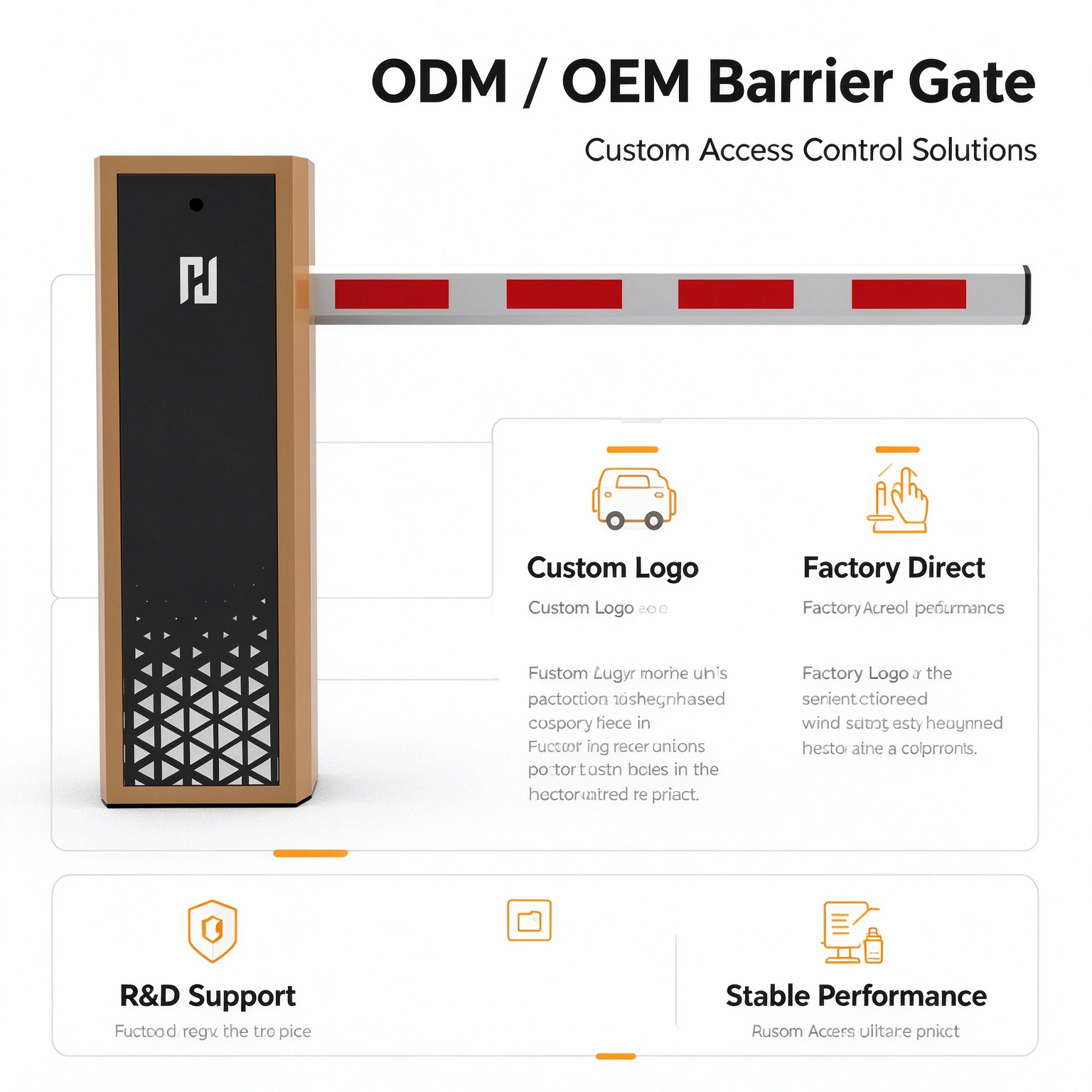
A direct manufacturer should be able to explain how the equipment is configured, which components can be customised and what documentation accompanies each model. An integrator can add value when it combines the barrier with cameras, readers, software, payment terminals or existing systems; a reseller can be suitable if it demonstrates traceability, support and stable access to spare parts. What matters is knowing who is accountable for a failure and who guarantees the compatibility of the whole system.
Ask for verifiable information about the company, its facilities, the testing process, experience on similar projects and the sales terms. Do not take a claim of “direct manufacturer” as sufficient proof: compare the documentation, the technical response and the specific scope of the warranty.
Before requesting quotations, define the lane width, the boom length and type, the clear height, wind exposure, the installation space and the volume of vehicles per hour. A straight boom can work well in an open entrance; a folding boom may be more appropriate when clear height is limited. For trucks, logistics yards or wide lanes, the structure and the permissible length require a specific assessment.
Ask each supplier to state the exact model, the compatible boom length range and the installation conditions. Do not compare prices of equipment with different capabilities as if they were equivalent.
The duty cycle indicates how much repetitive use the equipment can withstand under the specified conditions. A low-traffic residential car park does not have the same demand as a commercial parking lot, a logistics centre or an entrance that operates all day. Ask about recommended daily cycles, adjustable opening time, estimated service life, test conditions and required maintenance.
Speed alone does not determine the performance of the entrance. If the vehicle takes time to be identified, the driver has to look for a credential or the payment system is slow, a fast barrier will not solve the whole delay. Compare the opening time together with the authorisation method, the controller logic and the behaviour of the complete installation.
Ask the proposal to describe the compatible safety devices: radar sensors, induction loops where applicable, photocells, obstacle detection, closing logic and signalling. The selection depends on the lane design, pedestrian traffic and the risks of the site; a generic list of accessories does not replace a safety assessment.
Confirm what happens if a vehicle is under the boom, if communication with the access system is lost or if there is a power failure. Ask the supplier to detail the manual release or power backup options available for the quoted model.
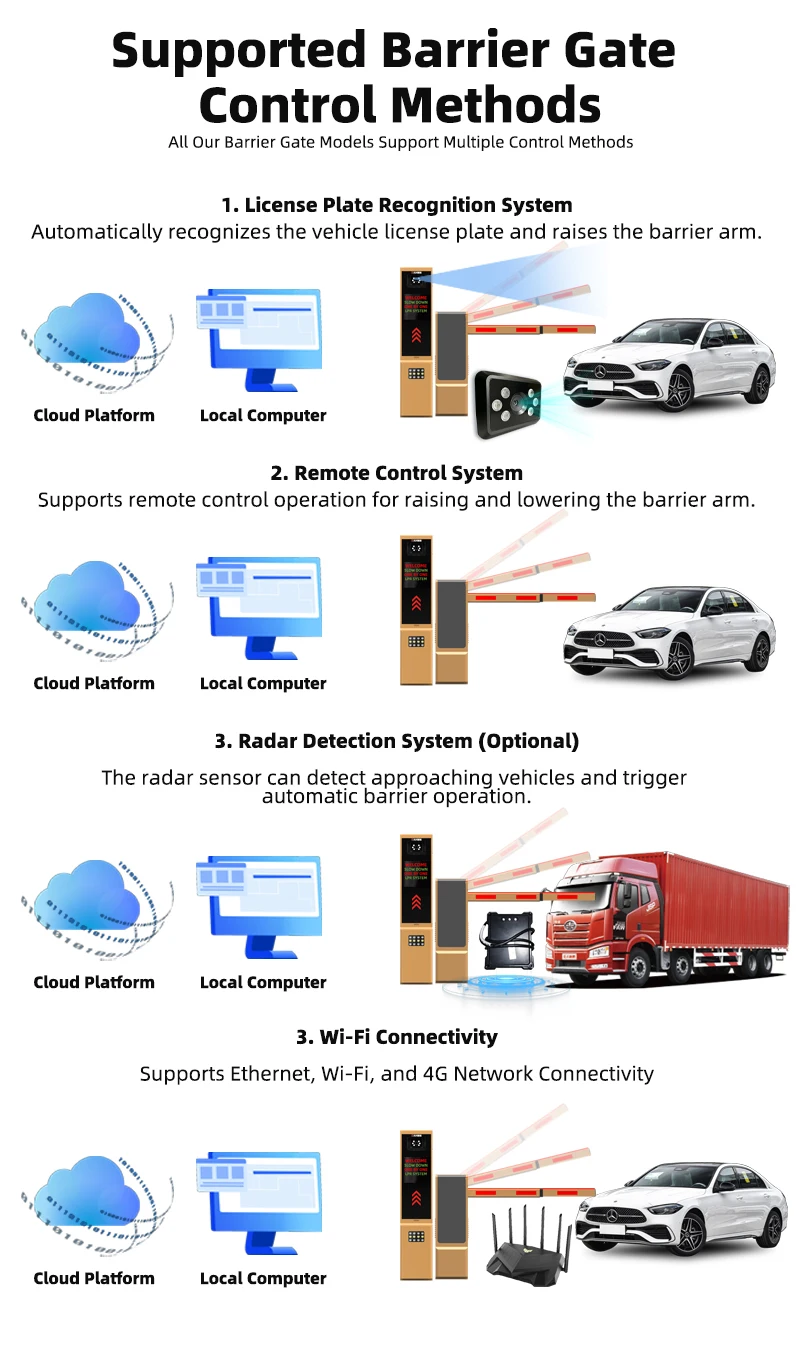
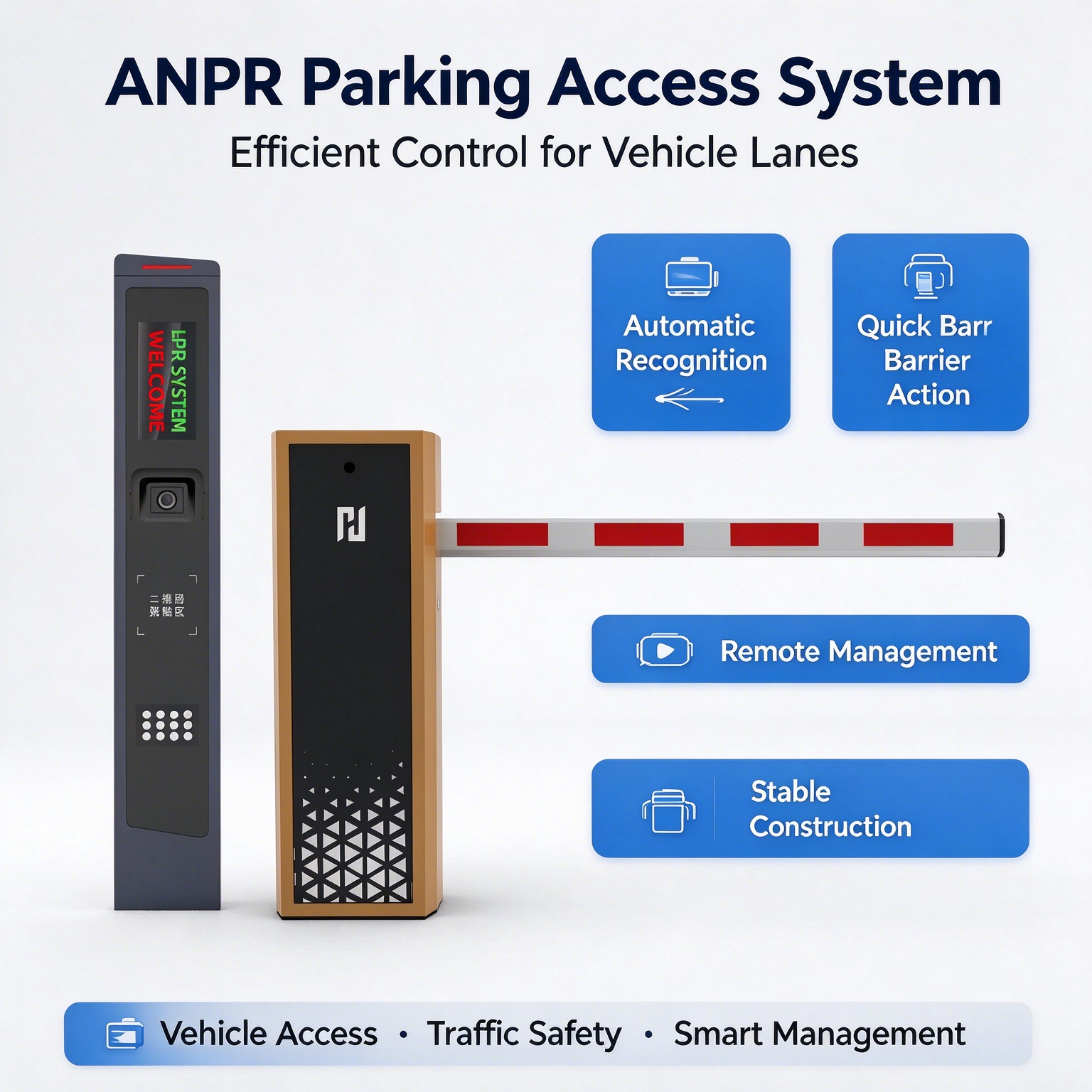
In Argentina, a solution can authorise entry by means of an RFID TAG, a remote control, a QR code, an LPR/ANPR plate recognition camera or a management platform. Before buying, ask whether the barrier integrates with the readers and software the site already uses, which interfaces are available and who performs the configuration.
If the supplier offers an integrated solution, ask it to identify each component, the required licences, the installation responsibilities and the acceptance tests. It is also advisable to confirm how permissions, entry and exit records and system updates are managed.
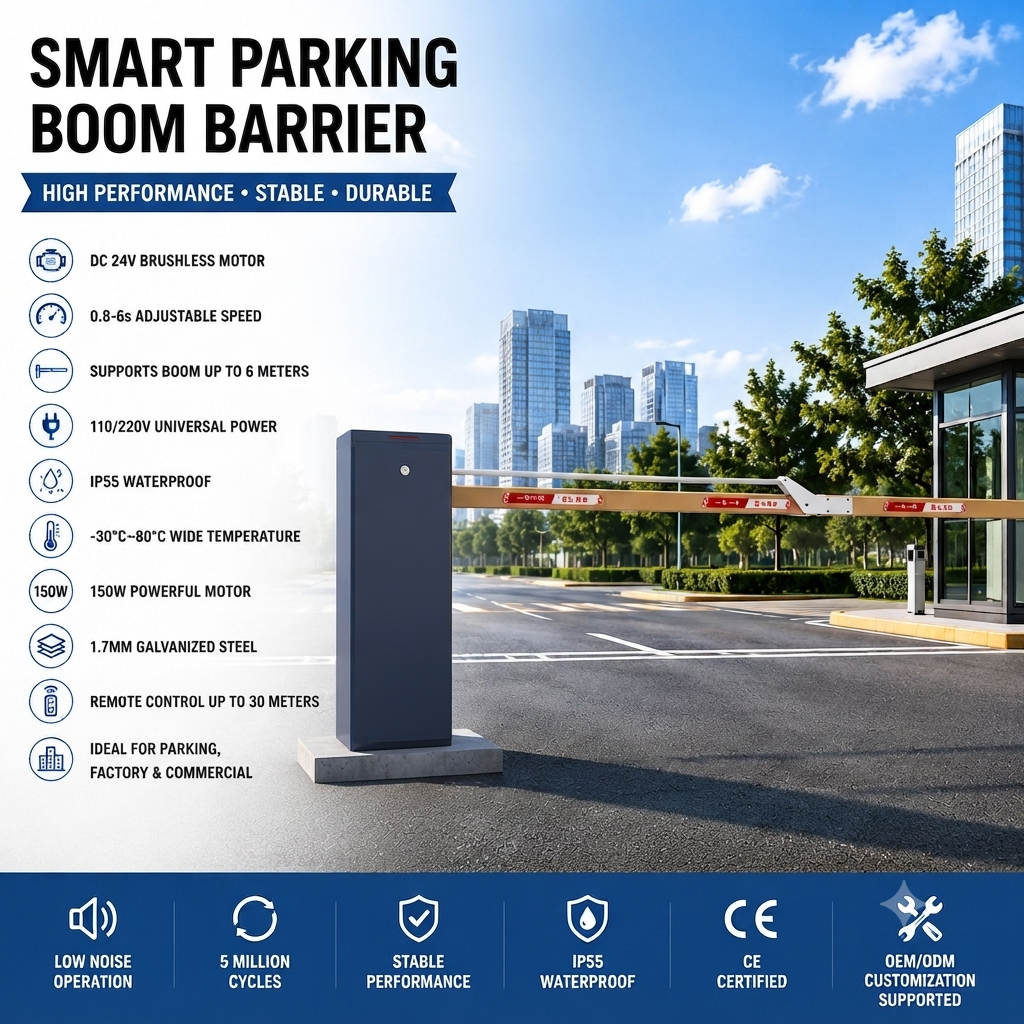
Ask for the technical data sheet of the specific model, the installation and maintenance manual, the wiring diagram and the applicable certifications. If a degree of protection, a certification or a service life is declared, verify that the data corresponds to the product offered and to identifiable test conditions. Do not assume that all models of the same brand share the same features.
For outdoor installations, review the declared environmental resistance, the sealing of the cabinet, the materials and the maintenance plan. For intensive use, ask about the factory testing procedure and which checks are carried out before dispatch.
The quotation should clarify the warranty period and scope, the components covered, the exclusions, the availability of spare parts and the procedure for requesting assistance. Ask whether support is provided in Spanish, whether remote assistance is available for commissioning and what information the operator must send when a failure occurs.
Do not compare only the nominal warranty period. Also consider response times, the availability of wearing parts, the possibility of repairing the equipment locally and the cost of an entrance stoppage. These conditions can influence total cost more than an initial price difference.
The initial cost may include the barrier, the boom, the sensors, the controller and the accessories; the project may also require civil works, wiring, installation, software integration, training and commissioning. Ask each proposal to separate the equipment, the services included, the optional items and the expenses that remain the buyer's responsibility.
To compare life-cycle cost, estimate periodic maintenance, spare parts, energy consumption, software licences and the impact of operational interruptions. An economical proposal is convenient only if it meets the technical and safety requirements of the site.
You can score each proposal using the same criteria and give more weight to those that are critical for your operation. The following matrix is an evaluation guide; adjust the weightings to the type of entrance and do not take it as a certification of any supplier.
Is it advisable to buy directly from the manufacturer?
It can be advisable when the manufacturer offers clear documentation, a suitable configuration, spare parts and verifiable support. However, a local integrator can be useful if the project requires installation, wiring and coordination of several systems. Compare the technical and commercial responsibility of each party.
What information should I send to receive a useful quotation?
State the lane width, the estimated boom length, the clear height, the vehicle volume, the installation environment, the authorisation method and the existing systems. If possible, attach a plan or photos of the entrance and describe the peak hours.
Should the supplier guarantee that there will be no queues?
No. The supplier can size and configure the system, but queue length also depends on demand, the number of lanes, credential validation, payment, road design and staff operation. Ask for performance expectations to be based on clearly defined data and conditions.
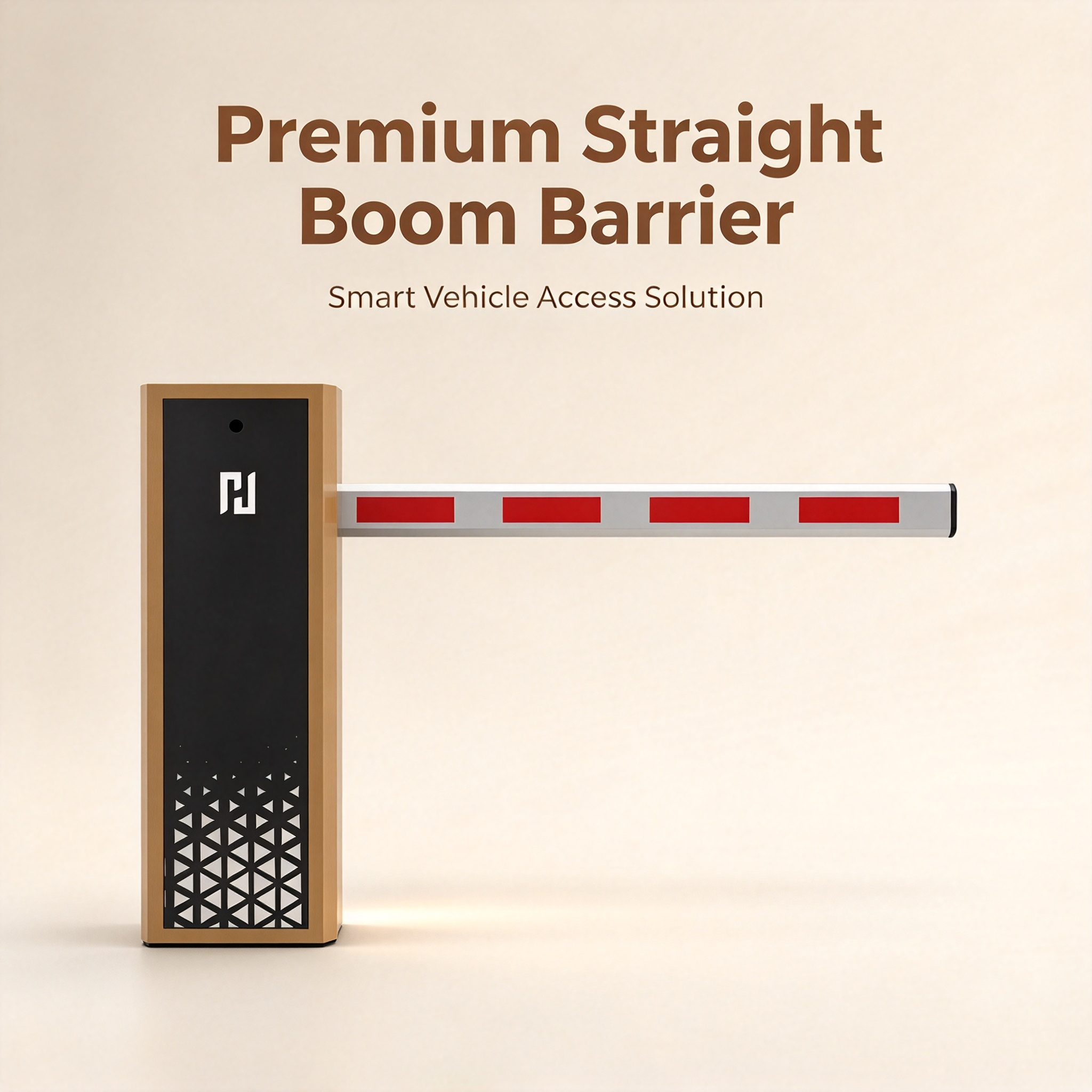
The best vehicle barrier manufacturer or supplier is the one that demonstrates that its solution fits the site, meets the safety requirements, integrates with access control and has adequate documentation, warranty and support. Compare equivalent proposals, request written answers and assess the total cost of ownership before deciding.

 WhatsApp
 WeChat