Queues at the entrance of a car park or parking lot usually appear when the volume of vehicles exceeds the capacity of the authorisation process. The problem may lie in credential reading, plate recognition, ticket issuing, payment, barrier opening, lane geometry or manual intervention by staff.
To reduce delays sustainably, you first have to identify where vehicles accumulate and measure how long each stage takes. Simply replacing the barrier with a faster model does not always solve the bottleneck if authorisation or payment remain slow.
Record the number of vehicles arriving in 5 or 15-minute intervals, the maximum queue length, the time from when the vehicle stops until it receives authorisation and the total time until it leaves the lane. Repeat the measurement on different days and at different times to separate an occasional peak from a recurring operational problem.
Also note the causes of manual intervention: a plate that is not read, a TAG that does not respond, a ticket that is not printed, a rejected payment, an expired credential or a barrier that does not receive the command. These data make it possible to prioritise improvements based on the real cause, instead of investing in features that do not solve the main delay.
A lane that is too narrow, a tight curve, a slope, a poorly located booth or an insufficient waiting area can prevent vehicles from approaching and leaving smoothly. Check the signage, the visibility of the instructions, the location of the reader and the distance available for a vehicle to wait without blocking traffic on the street.
When demand and space allow, separating entry from exit or assigning different lanes to residents, visitors, suppliers and trucks can reduce conflicts. The decision should be based on a study of traffic flow, pedestrian safety and internal circulation, not on adding lanes without a defined function.
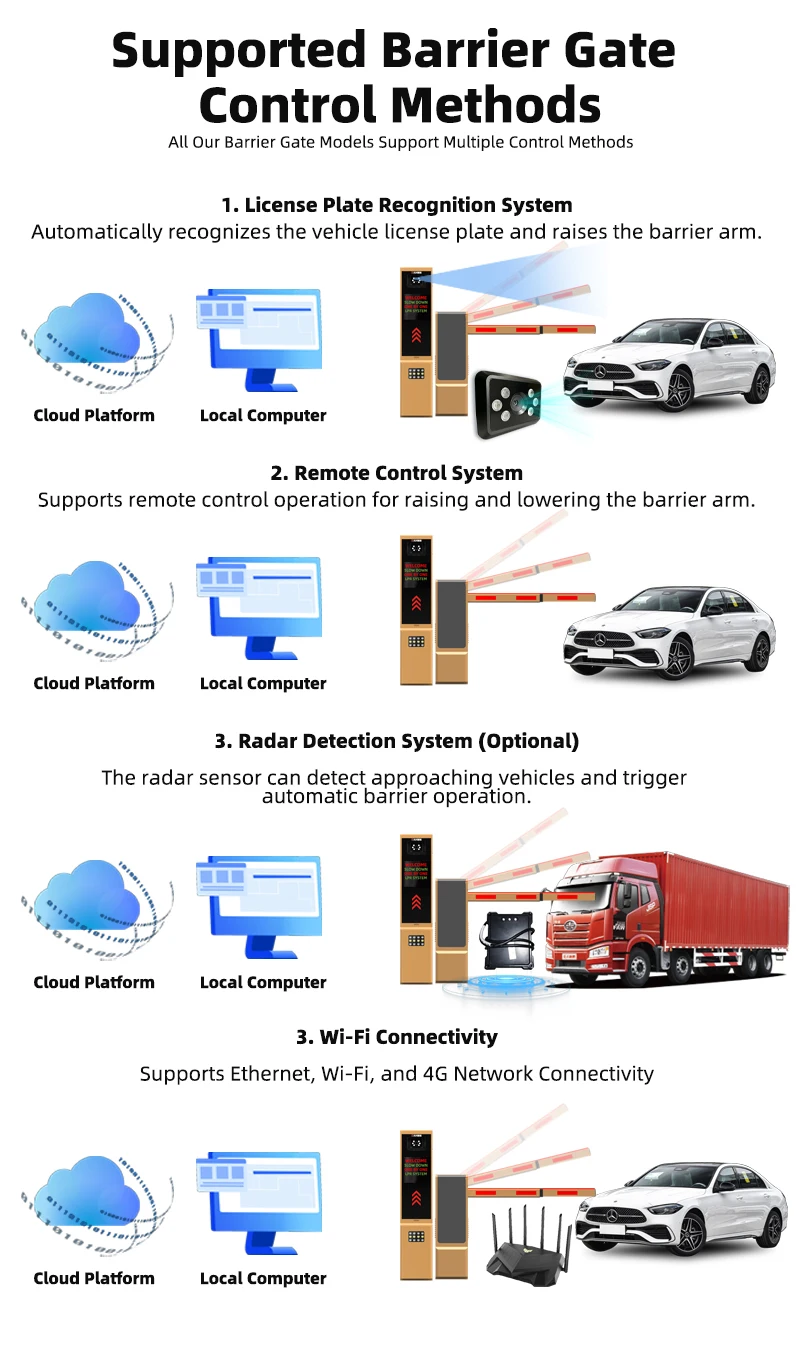
For frequent residents of a gated community or a building, an RFID TAG can speed up access because it avoids looking for a ticket or interacting with staff on every visit. For visitors, suppliers or occasional users, a QR code, prior authorisation, an intercom or a different validation flow may be suitable.
The system must clearly recognise which vehicles are authorised, what to do with an invalid credential and how to resolve an exception without stopping the whole queue. Define a procedure for unregistered visitors, damaged TAGs, unrecognised plates and emergency vehicles.
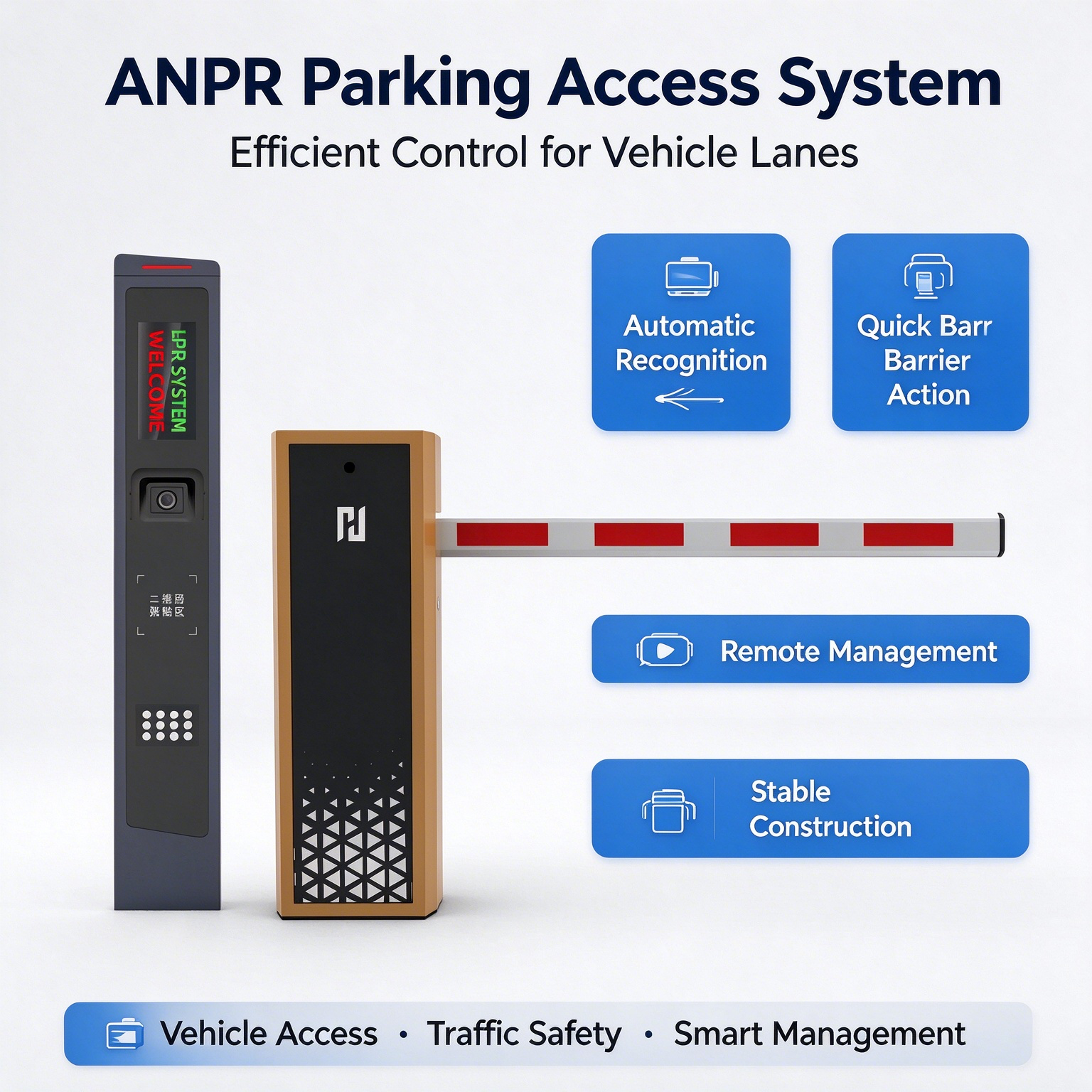
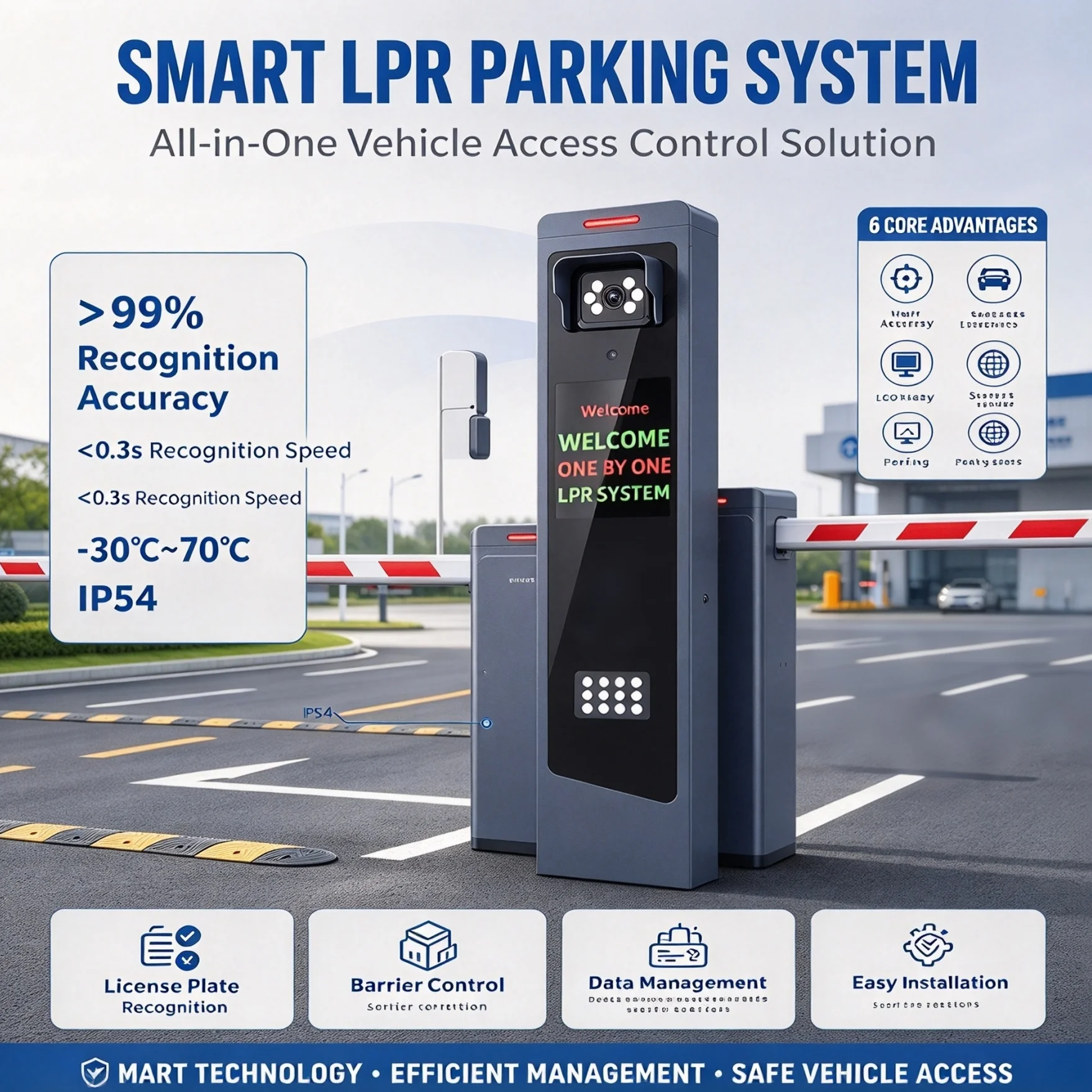
LPR/ANPR cameras can read the plate and link it to an authorisation or a parking session, which makes it possible to design ticketless access in cases compatible with the system. For it to work consistently, the camera location and angle, lighting, approach speed, plate condition and the site's weather conditions must be assessed.
Before implementing plate recognition, define how doubtful readings, dirty or partially covered plates, vehicles with foreign plates and access exceptions will be handled. A manual backup alternative prevents a reading error from turning an entire lane into a congestion point.
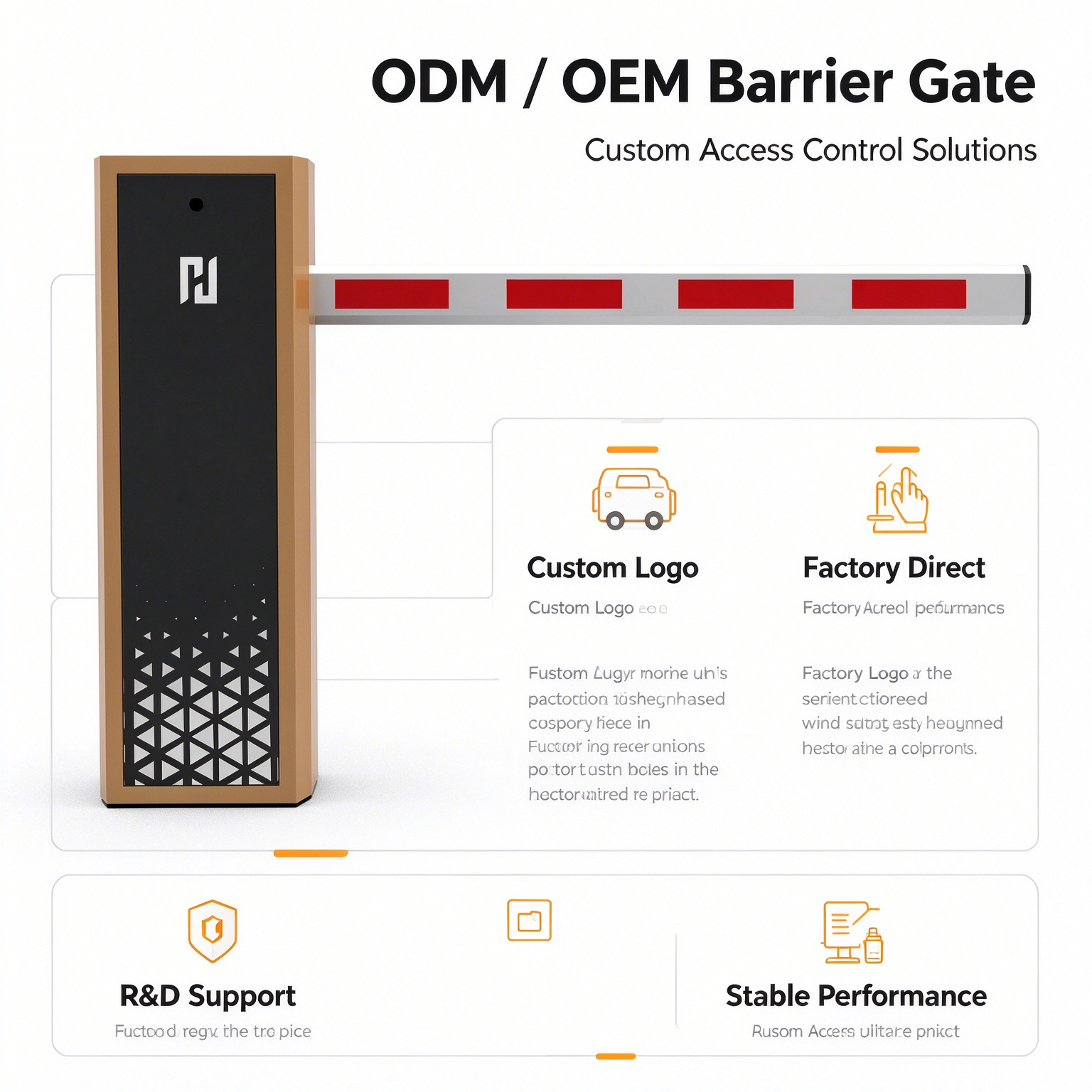
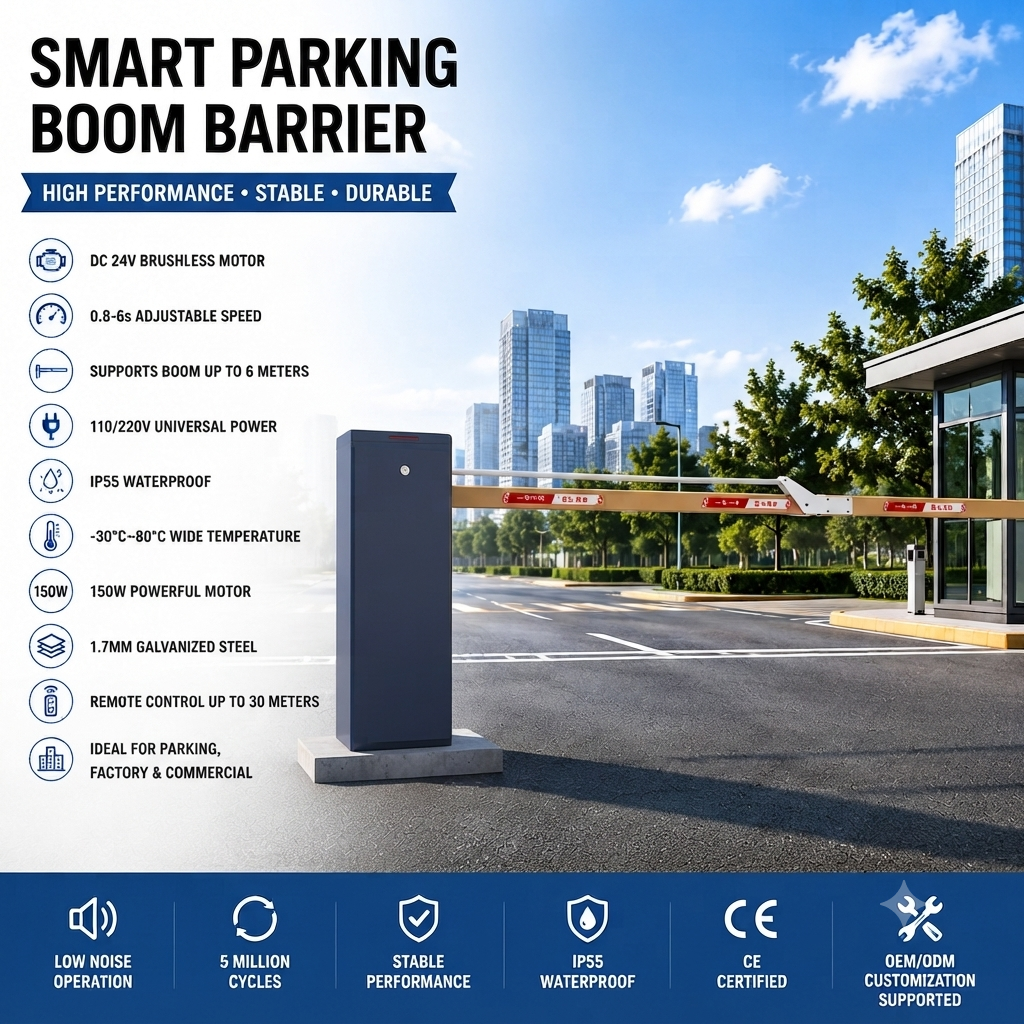
The barrier must be sized for the lane width, the boom type, the environmental conditions and the real operating frequency. A high-speed barrier can help at busy entrances, but the effective service time also depends on vehicle detection, authorisation validation, controller logic and the distance between vehicles.
Ask for the opening time corresponding to the model and boom length you need, as well as the test conditions. Do not use a maximum catalogue figure as a guarantee of hourly capacity: real performance depends on the complete system and on the safety rules.
The sensors must detect the vehicle correctly and prevent the boom from lowering onto a car or a person. If they are poorly located, configured or maintained, they can cause repeated openings, blocked closings or false detections. Review the sensor coverage, the detection zone, the closing logic and maintenance with the installer or supplier.
The goal is not to disable protections so that the barrier closes faster. The goal is reliable detection, clear instructions and an opening and closing sequence suited to the real traffic at the site.
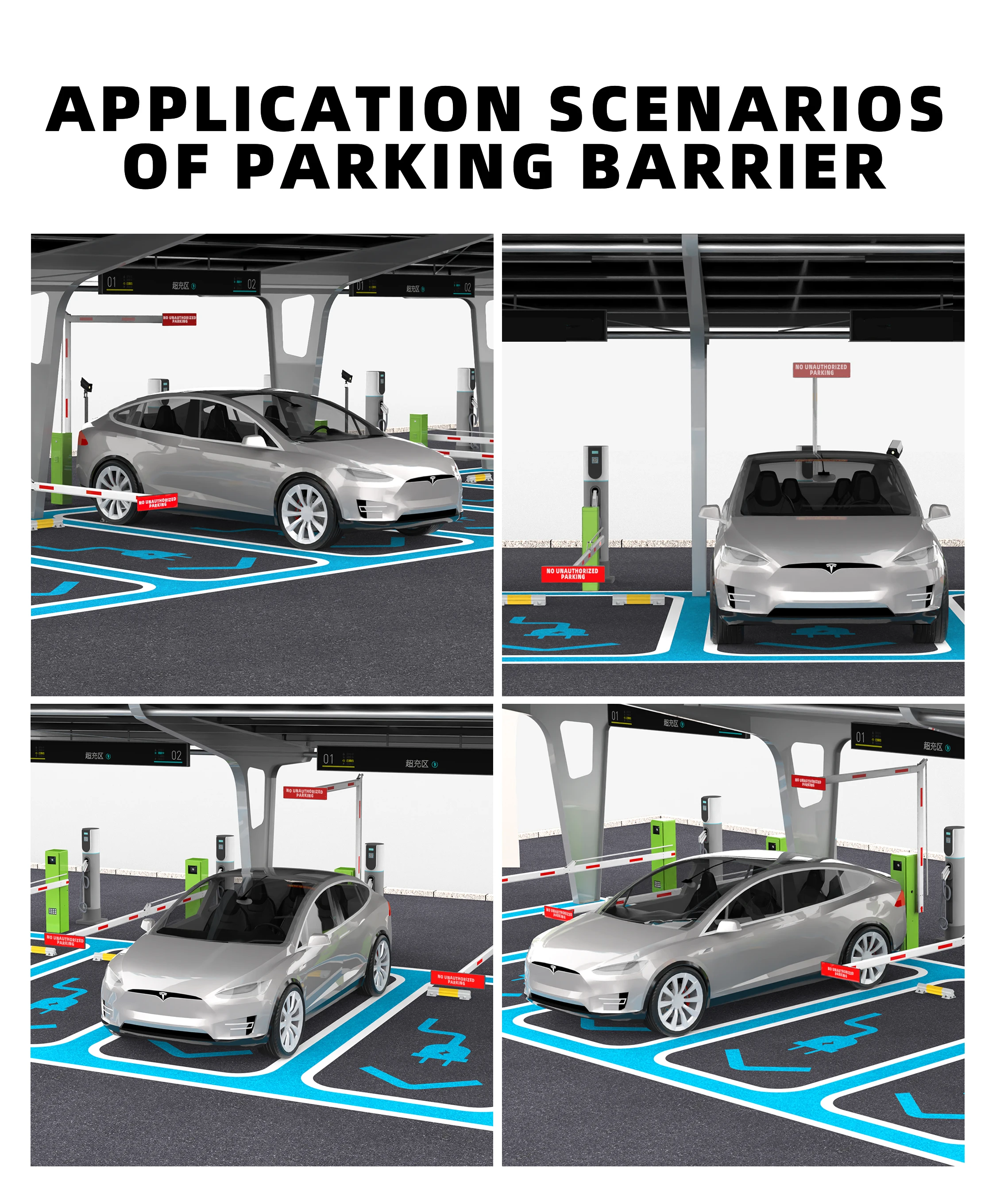
In paid car parks, the queue can move from the entrance to the exit if payment takes too long. Evaluate compatible options such as advance payment, automatic terminals, digital validation or plate recognition linked to the session, depending on the business model and the available software.
Make sure the driver understands where to pay, how to validate the parking session and what to do if the payment is not recorded. Clear signage before reaching the barrier reduces manoeuvres, enquiries and last-minute stops.
When the barrier, readers, cameras, payment system and software operate in isolation, an authorisation can lose time through duplicated steps or poor communication. Before installing, define which system makes the access decision, how the opening command is transmitted and what record remains available for auditing and incident resolution.
Ask for an end-to-end test that simulates normal and exceptional situations: authorised resident, visitor without a booking, unrecognised plate, loss of connection, pending payment and power failure. Acceptance should verify both flow and process safety.
At times of highest demand, it may help to assign support staff to resolve exceptions, post instructions before the decision zone and separate vehicles that need manual validation. For events, shift changes or mass entries, prepare a temporary operating procedure and define who can authorise an exceptional opening.
Data management also helps: compare waiting times by time band, the percentage of correct readings, manual interventions and safety incidents. Review the indicators after each change to check whether the improvement reduced the delay without increasing risks.
To estimate whether the entrance can absorb demand, analyse the total time per vehicle, the available lanes, the percentage of exceptions and the arrival pattern. If many vehicles arrive together, even a fast process can form a temporary queue; it is therefore advisable to study the arrival distribution and not only the daily average.
Do not promise a fixed number of vehicles per hour without measuring the site and defining the operating conditions. Capacity must be calculated with the selected equipment, the authorisation method, payment, the safety configuration and the real behaviour of users.
Does a faster barrier always reduce queues?
No. It helps when opening time is the bottleneck, but it does not by itself solve problems with reading, payment, credentials, signage or road design. First measure the complete process.
RFID or plate recognition: which is better?
RFID is usually practical for frequent users with assigned credentials; LPR/ANPR can serve plate-based access and ticketless flows when the environment allows reliable reading. In some projects, both methods complement each other. The choice depends on the users, the infrastructure, privacy and the required integration.
Is it advisable to separate entry and exit?
It can be useful when volume, space and road design justify it. Before carrying out works, assess the flows, the queues, pedestrian access, emergencies and internal traffic rules.
What information does BAROXON need to recommend a solution?
Prepare the lane width, the approximate volume per hour, peak hours, the type of user, the current authorisation method, the payment process and photos or a plan of the entrance. With these data it is possible to assess which hardware, software and operational improvements are relevant.
Reducing queues requires treating the entrance as a complete process: lane design, authorisation, safe detection, barrier, payment and exception management. Measure first, correct the bottleneck and then integrate the technology that responds to the real needs of the car park or parking lot.

 WhatsApp
 WeChat